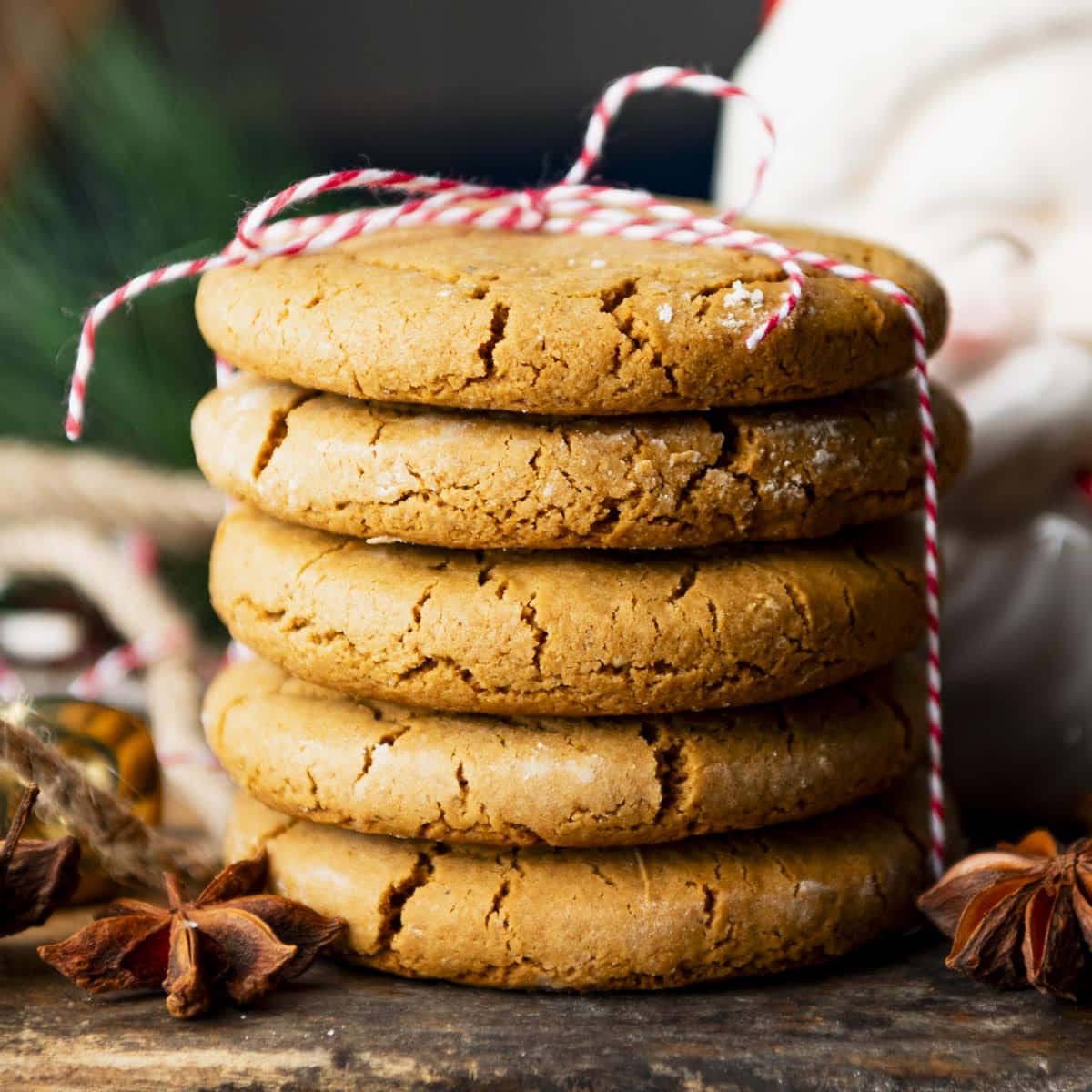
The aroma of warm spices wafting through your home is an unmistakable sign that the holidays are here, and nothing captures that magical feeling quite like a batch of freshly baked gingerbread cookies. More than just a simple sweet treat, these humble cookies are miniature canvases for creativity, vessels for cherished memories, and an invitation to gather with loved ones. If you're on a quest to bake the ultimate version of this festive classic, look no further. This comprehensive guide, built around the essence of a perfect gingerbread cookies recipe 2, will equip you with chef-level insights and actionable tips to ensure your gingerbread is nothing short of extraordinary.
From understanding the nuances of key ingredients to mastering dough handling and achieving that ideal soft, chewy texture, we'll dive deep into the art of old-fashioned gingerbread baking. Prepare to transform your kitchen into a festive wonderland and create cookies that will delight all ages, year after year.
The Heart of the Holiday: Why Gingerbread Reigns Supreme
Gingerbread cookies hold a special place in culinary history and our collective consciousness. Their tradition stretches back centuries, evolving from ancient spiced breads to the delightful, decorated figures we adore today. For many, gingerbread isn't just a cookie; it's a sensory portal to childhood Christmases, family gatherings, and the simple joy of creating something beautiful and delicious from scratch. Each bite offers a warming embrace of cinnamon, ginger, allspice, and cloves, a symphony of flavors that perfectly complements crisp winter days. Whether you're decorating elaborate gingerbread men, crafting a gingerbread house, or simply enjoying them plain with a cup of tea, these cookies truly embody the spirit of the season. They are a delicious expression of tradition, taste, and timelessness, echoing memories that last a lifetime.
Mastering the Foundation: Key Ingredients for Your Perfect Gingerbread Cookies Recipe 2
The secret to exceptional gingerbread lies in understanding the role each ingredient plays. While a reliable gingerbread cookies recipe 2 provides the blueprint, our chef's notes will help you elevate your foundational components.
Butter: The Richness Factor
- Salted Butter: This is our top recommendation for unparalleled richness. The salt content naturally enhances the overall flavor profile of your cookies, creating a more balanced and indulgent taste.
- Unsalted Butter: If using unsalted butter, remember to add a small pinch of salt (about 1/4 teaspoon per stick of butter) to compensate. This ensures your cookies aren't bland.
- Plant-Based Butter Substitute: For dietary needs, high-quality plant-based butters can work beautifully. Opt for sticks rather than spreads for better consistency in baking. Be aware that this might slightly alter the texture.
- Chef's Tip: Always bring your butter to true room temperature. This isn't just about softness; it allows the butter to cream properly with the sugar, incorporating air that contributes to a lighter, more tender cookie. Cold butter won't emulsify correctly, leading to a denser result.
Sweeteners: Beyond Just Sugar
- Brown Sugar: The molasses in brown sugar provides essential moisture and contributes a deep, caramel-like sweetness that white sugar simply can't replicate. It's crucial for that soft, chewy texture.
- Molasses: This ingredient is the undisputed star for classic gingerbread flavor, color, and chewiness. For an in-depth look at this and other swaps, read our guide on Master Classic Gingerbread: Ingredient Swaps & Pro Tips.
- Substitution Note: While molasses is best, if you must substitute, a 1:1 ratio of 5 tablespoons honey + 5 tablespoons brown sugar, or 5 tablespoons dark corn syrup + 5 tablespoons maple syrup, can provide similar moisture and sweetness. However, expect a noticeable shift in the quintessential "gingerbread" flavor. Use dark molasses for the deepest flavor and color; avoid blackstrap molasses as it can be too bitter.
Eggs: Structure and Bind
- Eggs provide crucial structure and richness to your cookies, helping them hold their shape and preventing them from becoming too crumbly.
- Egg-Free Alternative: For those avoiding eggs, a "flax egg" (1 tablespoon ground flaxseed mixed with 2.5 tablespoons water, allowed to sit for 5 minutes until gel-like) per egg is a reliable substitute. Commercial egg substitutes also work effectively.
The Spice Blend: Signature Warmth
The distinctive, comforting aroma and flavor of gingerbread come from its carefully balanced spice blend. Cinnamon, ground ginger, allspice, and cloves are the traditional quartet, but don't be afraid to adjust to your preference.
- Ginger: The dominant flavor, providing that characteristic warmth and gentle bite.
- Cinnamon: Adds sweetness and a comforting, aromatic base.
- Allspice & Cloves: These provide depth and a subtle festive complexity.
- Chef's Tip: Consider a tiny pinch of freshly ground nutmeg or even a whisper of white pepper for an unexpected layer of warmth and complexity. Always use fresh, high-quality spices for the best flavor; old, stale spices will yield dull cookies.
Flour Power: All-Purpose and Gluten-Free
- All-Purpose Flour: This forms the foundational structure of your cookies. It's important to measure it correctly.
- Gluten-Free Alternative: A cup-for-cup gluten-free flour blend can be used as a direct substitute. Look for blends designed for baking to ensure optimal texture.
- Chef's Tip: Always measure flour by weight using a kitchen scale for the most accurate results. If using measuring cups, spoon the flour lightly into the cup and level it off with a straight edge; never scoop directly from the bag, as this compacts the flour and can add too much to your dough, resulting in dry, tough cookies.
Chef's Secrets for Flawless Gingerbread Cookies: Beyond the Recipe
Beyond the ingredients, technique plays a vital role in achieving gingerbread perfection. These tips will guide you through the process, ensuring your gingerbread cookies recipe 2 yields spectacular results every time.
Dough Handling: The Golden Rules
- Don't Overwork the Dough: This is paramount for tender cookies. Overworking develops the gluten in the flour, leading to a tough, chewy texture rather than the desired soft, slightly crisp edge. Mix just until combined.
- Refrigerate the Dough: Chilling your gingerbread dough is not an optional step; it's essential.
- It makes the dough much easier to handle and roll out, preventing stickiness.
- It allows the spices and molasses to fully meld and deepen in flavor, resulting in a more aromatic and delicious cookie.
- It helps the cookies hold their shape better during baking, preventing excessive spreading. Aim for at least 30 minutes, but several hours or overnight is even better.
- Rolling Technique: Roll dough between two sheets of parchment paper to prevent sticking and achieve an even thickness without adding excess flour. Roll to about 1/4 inch thickness for classic cut-outs.
Uniformity is Key for Even Baking
To ensure all your cookies bake perfectly and are done at the same time, consistency is crucial. Keep your cut-outs a similar size and thickness. This prevents smaller, thinner cookies from burning while larger, thicker ones are still raw in the middle.
Baking Precision
- Preheat Thoroughly: Always ensure your oven is fully preheated to the specified temperature before placing cookies inside.
- Doneness Cues: Gingerbread cookies are done when the edges are set and slightly darker, and the centers still look a little soft. They will firm up as they cool. Do not overbake, or they will become hard.
- Rotate Trays: For even baking, especially if your oven has hot spots, rotate your baking sheets halfway through the baking time.
Decorating with Purpose
While decorating gingerbread cookies is part of the fun, sometimes less is more. Keep decorations minimal to truly highlight the beautiful shape and, most importantly, the delicious flavor of the cookies themselves. A simple outline or a few strategically placed sprinkles can be more elegant than an overly elaborate design. If using royal icing, ensure it's made to the right consistency for outlining and flooding, and allow ample drying time.
Elevating Your Gingerbread Experience: Storage and Serving Suggestions
Once baked and cooled, your perfect gingerbread cookies deserve proper care to maintain their freshness and flavor.
- Storage: Store undecorated gingerbread cookies in an airtight container at room temperature for up to two weeks. If decorated with royal icing, ensure the icing is completely dry before layering them with parchment paper in an airtight container. They also freeze beautifully for up to three months.
- Serving: These cookies are delightful on their own, but truly shine when paired. Enjoy them with a glass of cold milk, a warm cup of coffee or tea, or as an accompaniment to a festive dessert platter. They make thoughtful homemade gifts and charming additions to holiday cookie exchanges. For more ideas on how to bake and share the magic, explore Old Fashioned Gingerbread Cookies: Bake Holiday Memories.
Armed with these chef's tips and a robust understanding of your gingerbread cookies recipe 2, you're ready to create the most delicious and memorable gingerbread cookies of the season. Embrace the tradition, savor the aromas, and enjoy the magical experience of baking these beloved holiday treats. Happy baking!
